
The Dirty Dozen: The Pioneers Who Helped Bring Brazilian Jiu-Jitsu to the World
The first twelve non-Brazilians to earn a Brazilian Jiu-Jitsu black belt — and why so many of the Dirty Dozen came through Rigan Machado's lineage.
 T
TWritten by Tony Hua
•4 min read
The term "Dirty Dozen" has become part of Brazilian Jiu-Jitsu folklore. It refers to the first twelve non-Brazilian practitioners to achieve the rank of black belt in Brazilian Jiu-Jitsu, a distinction earned during an era when the art was still largely unknown outside Brazil.
These pioneers trained during a time when there were few schools, little instructional material, and almost no established pathways for non-Brazilians to advance through the ranks. They helped build the foundations of the global BJJ community we know today. More importantly, they became ambassadors for the art, introducing Brazilian Jiu-Jitsu to new countries, new cities, and new generations of practitioners.
While the Dirty Dozen includes black belts from several lineages, the influence of Rigan Machado stands out. His students account for many of the pioneers on the list, and their collective impact on the growth of Jiu-Jitsu outside Brazil is difficult to overstate.
Rigan Machado's Role in the Early Expansion of BJJ
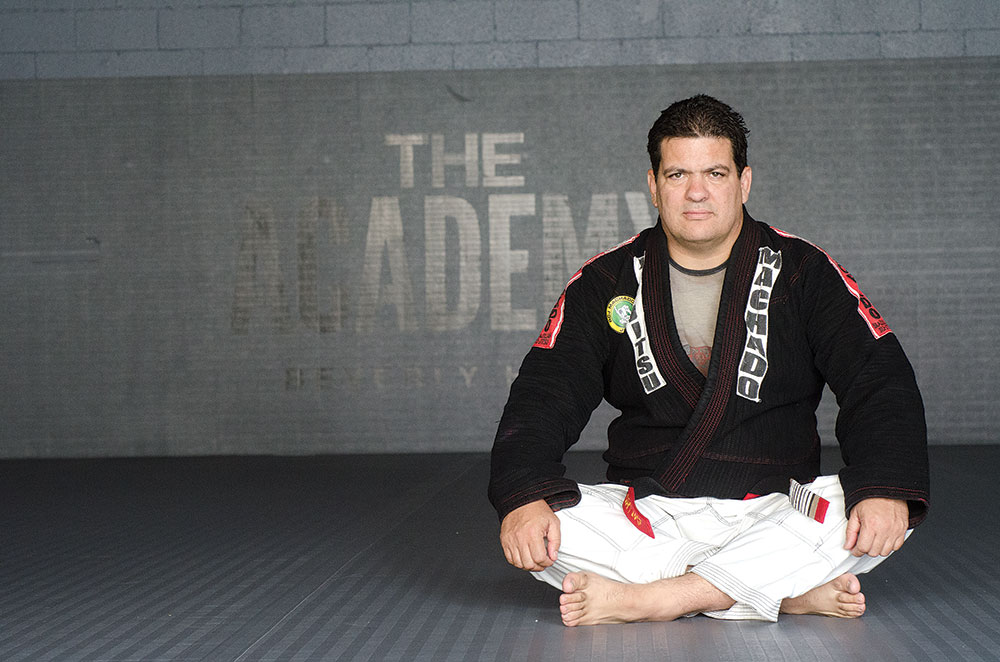
When Rigan Machado relocated to the United States, Brazilian Jiu-Jitsu was still in its infancy outside Brazil. Alongside his brothers and cousins, he helped establish a thriving Jiu-Jitsu community in Southern California at a time when most martial artists had never seen the art. Rigan's academy became a training ground for some of the most influential non-Brazilian practitioners of the 1990s. His students would go on to open academies, win championships, teach seminars around the world, and develop generations of black belts of their own.
Among the Dirty Dozen, several names are directly connected to Rigan Machado's lineage.
Bob Bass: Rigan Machado's First Black Belt
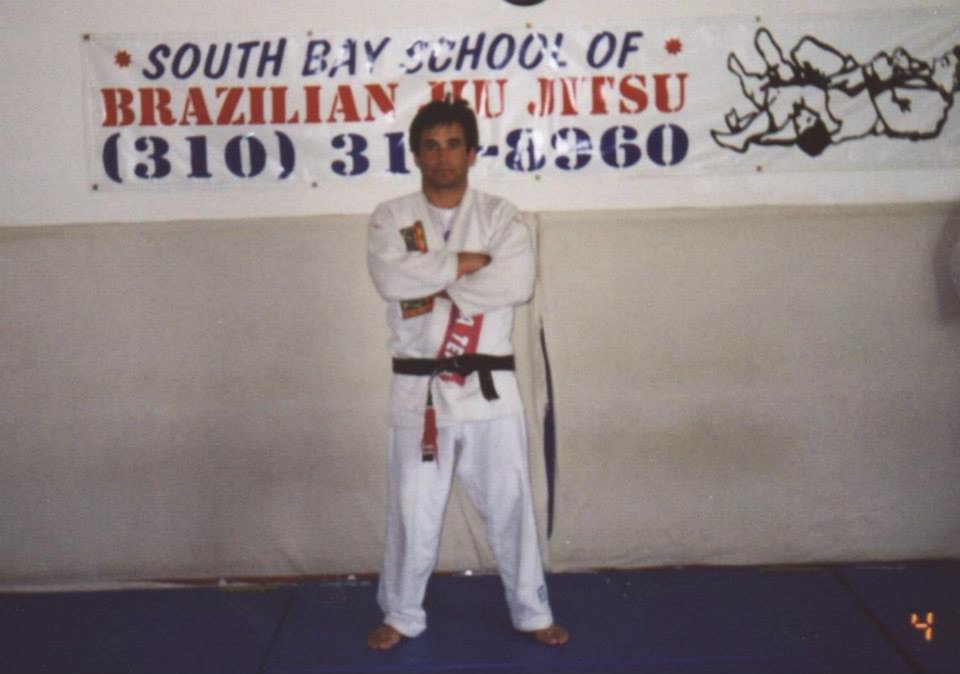
Any discussion of Rigan Machado's contribution to the Dirty Dozen should begin with Bob Bass. Widely recognized as the first black belt promoted by Rigan Machado, Bass was one of the earliest Americans to fully embrace Brazilian Jiu-Jitsu and dedicate himself to mastering the art. At a time when many still questioned whether non-Brazilians could reach the highest levels of BJJ, Bass proved that they could.
His competitive achievements helped establish the credibility of American practitioners. One of his most celebrated performances came at the 1995 Pan American Championship, where he defeated elite Brazilian competitors and demonstrated that the gap between Brazilian and non-Brazilian athletes was beginning to close.
Beyond competition, Bass played a crucial role in developing the Southern California Jiu-Jitsu scene and helping spread the Machado approach to grappling. His legacy remains intertwined with the early growth of BJJ in the United States.
Chris Haueter: The Philosopher of American Jiu-Jitsu
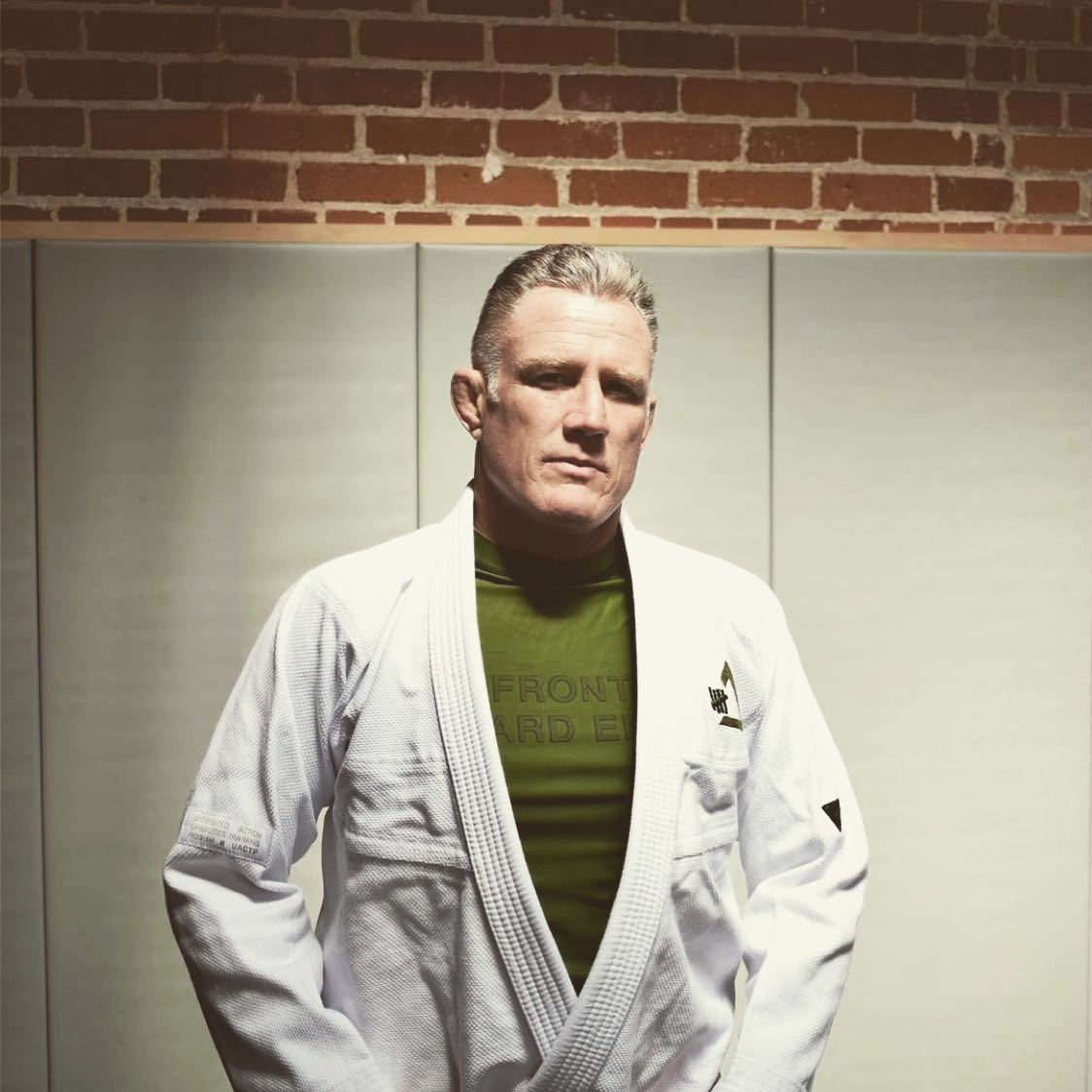
Few figures have had a greater cultural impact on American Jiu-Jitsu than Chris Haueter.
Promoted by Rigan Machado in December 1996, Haueter became one of the most respected instructors in the history of the sport. Known for his famous principle, "Think street, train sport, practice art," he helped bridge the gap between self-defense, competition, and personal development.
Haueter's influence extends far beyond technical instruction. Through seminars, mentorship, and decades of teaching, he helped shape the identity of Brazilian Jiu-Jitsu outside Brazil.
Rick Williams: A Competitor and Builder
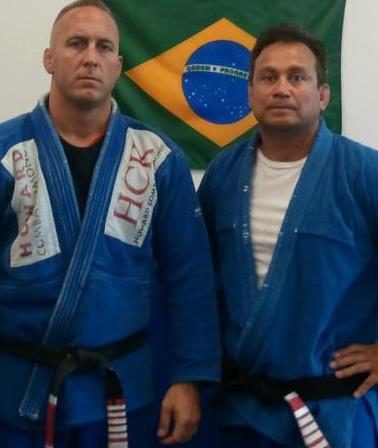
Another member of Rigan Machado's historic 1996 black belt promotion class was Rick Williams.
A talented wrestler and accomplished competitor, Williams quickly became one of the strongest representatives of the Machado system. His success on the competition mats helped validate the effectiveness of Brazilian Jiu-Jitsu during a period when the art was still earning recognition in the wider martial arts community.
Williams would later devote himself to teaching and developing future generations of practitioners, continuing the pioneering work that defined the Dirty Dozen era.
David Meyer: Preserving the History
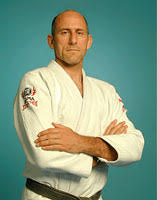
David Meyer occupies a unique place among the pioneers. A member of Rigan Machado's December 1996 black belt class, Meyer distinguished himself both as a competitor and as a historian of the art. His success on the mat included podium finishes at major tournaments, but his lasting contribution may be his dedication to preserving the stories of Brazilian Jiu-Jitsu's early years. Through interviews, research, and historical documentation, Meyer has helped ensure that the achievements of the pioneers are remembered by future generations.
The Global Reach of John Will

Although based in Australia rather than the United States, John Will represents another important connection to the Machado lineage.
Promoted by the Machado brothers, Will became one of the key figures responsible for introducing Brazilian Jiu-Jitsu throughout Australia and New Zealand. Long before international tournaments became commonplace, he was teaching seminars, publishing educational material, and helping establish one of the strongest BJJ communities outside Brazil. His work demonstrates how the Dirty Dozen was never simply an American story—it was a global one.
More Than a List
The Dirty Dozen is often discussed as a race to determine who was first. While the historical details are fascinating, the true significance of the group lies elsewhere.
These pioneers helped transform Brazilian Jiu-Jitsu from a relatively obscure Brazilian martial art into a worldwide phenomenon. They opened schools, taught thousands of students, competed against the best practitioners of their era, and proved that BJJ could thrive far beyond its birthplace.
The contributions of Bob Bass, Chris Haueter, Rick Williams, David Meyer, John Will, and the other members of the Dirty Dozen continue to influence the art today. Their students have become instructors. Their academies have produced champions. Their lessons continue to be passed down across generations.
More than thirty years later, the Dirty Dozen remains a reminder of the courage, dedication, and vision required to build something new. And among those pioneers, the black belts of Rigan Machado stand as some of the most influential figures in the history of Brazilian Jiu-Jitsu.